
- Real Estate
Hospitality real estate investments: +65% in H1 2025
The sector reaches €1.4 billion
In the first half of 2025, hospitality real estate investments in Italy rose 65% from the same period in 2024, reaching about €1.4 billion. This confirms the growing importance of hospitality in commercial real estate, where the sector now accounts for about one quarter of total investment volumes.
The market’s evolution is outlined in the Real Estate Data Hub 2025 report, produced by Gruppo RYZE, the new name of Yard Reaas, in collaboration with the Research Center of RE/MAX Italia and 24MAX. The analysis highlights a sector in profound transformation, marked by strong appeal to international capital, which makes up about 50% of total investments, mainly from Europe and the United States.
Investment activity remains concentrated in Northern Italy and in major cities and tourist destinations such as Como, Venice, Rome, Milan, and Naples. Momentum is building around hybrid formats that blur the boundaries between hospitality and residential. “
This segment has proven particularly strong and is characterized by growing diversification, both in terms of formats and investor profiles,” explains Laura Piantanida, Head of Institutional Relations at Gruppo RYZE. “Today’s offering ranges from traditional hospitality to luxury camping, including branded residences and serviced luxury apartments, with services and professional management playing an increasingly central role.”
Concierge services, shared amenities, gyms, coworking spaces, and occupant-focused services define new hospitality assets and also influence residential formats such as student housing and Build To Rent (BTR). BTR is emerging as an evolution of traditional rental housing due to centralized, professional management and services designed to foster social interaction and community building. “The boundaries between hospitality and residential are becoming increasingly blurred, with the operator and property manager at the core of each project’s success,” Piantanida adds.
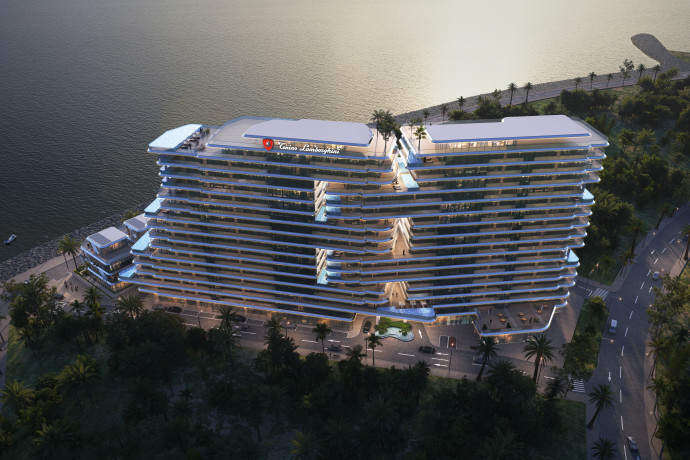
The market is driven by the luxury segment: about 90% of investment volumes targeted 4- and 5-star assets, with 5-star properties alone making up over 50%. Hotel operators lead among investors (about 40%), followed by HNWIs, family offices, and private equity funds. Value-add transactions, including developments, conversions, and refurbishments, represent roughly half of total volume. Vacant possession acquisitions are preferred, accounting for more than two thirds of deals. Among the formats gaining traction internationally and in Italy, Gruppo RYZE highlights luxury serviced apartments and branded residences. Serviced apartments combine the flexibility of self-contained living with hotel-style services and show solid growth across Europe, with positive prospects in Italy. Branded residences, linked to global hospitality and non-hospitality brands, are attracting more interest from HNWIs and UHNWIs seeking products that combine high standards, design, and yield potential.
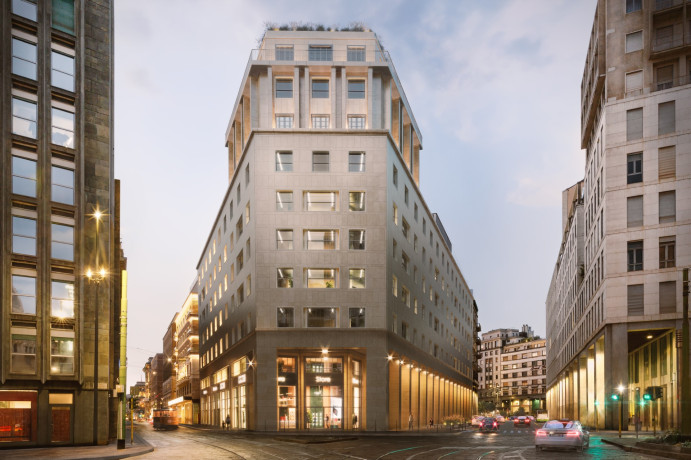
Although Italy has historically been slower than other countries in developing new luxury supply, the landscape is changing. Sardinia and Tuscany are emerging as key destinations. In major cities like Rome, Milan, and Venice, global investors are focusing on underperforming hotels to reposition, often integrating hospitality with adjacent residential components.
Tourism trends are also supporting the sector. In the first half of 2025, overall flows remained stable, with a modest decline in domestic tourism offset by growth in international arrivals. June saw a significant rebound, with 16.8 million arrivals and over 59 million overnight stays, surpassing both June 2024 and June 2019. This reinforces the central role of international demand in sustaining the competitiveness of Italy’s tourism system and the appeal of hospitality real estate.